Showing posts with label Sambar. Show all posts

WOYP Day #44 Udupi Style Pundi/ Pundi Gatti


Pundi is native to Mangalorean cuisine, popular in the city of Udupi too. Depending on the way its shaped it is known as Pundi in some places and Pundi Gatti in some others. The dough is first cooked on the stove top and then steam cooked. We make something similar called Bilkudumlu, without onions or tadka. Made with Rice Rava (Akki thari) or Idli Rava, these steamed dumplings are typically round with a dip in the center. I shaped them into round balls and small cylinders too. The cylinders are also called Pundi Gatti, meaning a ‘fistful’. 


You will need:

1.5 cups Rice Rava or Idli Rava
3 cups Water
2 tbsp Oil
1 tsp Cumin seeds
1 tsp Urad Dal
1 tsp Chana Dal
1/2 cup chopped onion
3 dry red chilies, broken into bits
1/2 cup fresh grated Coconut
1.5 tsp Salt

Heat oil in a deep pan. Add the cumin seeds, urad dal and chana dal. Cook for a few seconds and then add the dry chilies. Add the chopped onion and cook until soft. Add the water, salt and coconut. Cover and bring to a boil on high heat. Once the water begins to boil, lower heat, remove lid and slowly add the rice rava/idli rava while stirring continuously. Continue to stir and cook on low heat for 3-4 minutes until all the water is absorbed. Turn off heat and cool slightly.

Shape the Pundi:

Once the mixture is cool enough to handle. Shape the dough by hand. You can make rounds with a dip in the centre, cylinders or balls like in the picture below. My boys were excited to see the assorted shapes :) 


I used Idli plates to steam the Pondi. If you do not have idli plates, you can use a traditional steamer. 


Oil the idli plates, place the shaped pundi and place in a pressure cooker. Steam for 10-12 minutes. Allow cooker to cool before removing the Pundi. Serve hot with  Sambar & Coconut Chutney. 


Soft, melt-in-the-mouth Idlis:


After what seems like an eternity, I'm bringing this space back to life with a post. I've been collecting recipes, trying new ones and revamping old ones. Quite excited to share all of it with you, my awesome readers.

I've had my hands pretty full over the past 4.5 years. My little boys are no longer babies and are fast growing up. It's been great fun watch them grow.. And fight.. And laugh and do all the stuff little kids do. And now I have two more eager mouths waiting to try all the yummy goodies, so I'm back with the hope they will keep me motivated enough to keep this space alive and kicking!

I'm here to share a new recipe for the humble breakfast of us, South Indians. It's comforting, easy to make and pretty much loved by all from Toddler to Thatha (grandpa)! The awesome glorious Idli. Soft, pillowy, melt-in-the-mouth goodness. Dunked in piping hot sambar, your taste buds will thank you!


There are many versions to this dish and the key is finding one that works for you and holding on to it real tight. Idlis are a staple and you want to have a good solid recipe that yields beautiful idlis inside and out. This is one such recipe.

Note: Portion is any cup you choose to use. Make sure you use the same cup to measure out the ingredients listed.


Ingredients:
Makes : 45-48 idlis

4 cups Par-boiled rice/Idli rice
1 cup Urad dal
1/2 cup Sago/Sabudana (white tapioca pearls)
1 tsp Fenugreek(methi) seeds
Salt as required

Soak the urad dal and sago separately. Combine the rice and fenugreek seeds. Soak overnight or for atleast 6-7 hours. Grind everything into a smooth paste with very little water. The smoothness of the batter is important to achieve soft idlis. Combine well in a large bowl or container and allow to ferment overnight in a warm place. If it's winter in your part of the world now, then place batter in a pre-heated oven that's been turned off or in a cool oven with just the oven light turned on. Make sure you place the vessel/container on a sheet tray to catch batter overflows if any. Trust me, you don't want to wake up to a batter volcano - which is awesome coz it's a sign of great fermentation- but not so awesome when it comes to cleaning it up!

Most people add salt at this point but I prefer to add it the next day once it's fermented. I've noticed adding salt before makes the batter turn sour much quicker than if added later. The batter will double in volume so make sure you have the batter in a large deep vessel/container.

Once fermented, stir the batter. Add salt as needed (if you haven't already added it) This quantity needs about 3-4 teaspoons of salt. Add water only if needed. The batter should be thick but free flowing.


Apply oil on the idli plates. Fill each mold about 2/3rd of the way and place in a pressure cooker on high heat. When the steam rises, cook for 10 minutes and then turn off heat.

Remove idli plates and let rest for a minute before unmolding the idlis with a spoon.

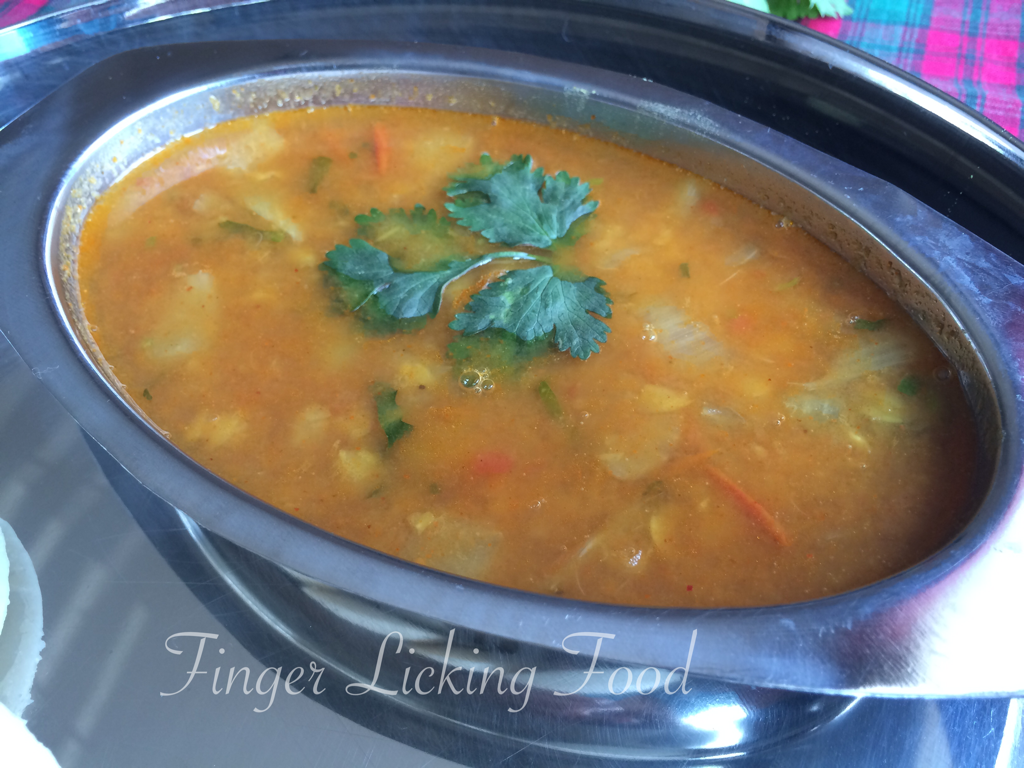
Serve hot with Sambar and/or Coconut chutney. Both recipes are in this post from a few years ago.


The same batter can also be used to make Dosas. Add water to make a pouring consistency. Add little sugar to get a nice color on the dosas. More familiarly known in our local lingo as 'nice roast'. Make dosas on a non-stick tava or a seasoned cast iron pan. This batter makes tasty crispy dosas. 


Tindora Fry & Chunky Vegetable Sambar:


Tindora or Ivy Gourd is one of my favourite vegetables. Since childhood I’ve always been accustomed to one way of eating and now making Tindora – boil it and season with ground garlic, coconut and chili powder. Tindora Fry is how it’s made in Andhra, also known as Dondakaya Fry. It is a very popular dish served along an array of mouth-watering Andhra dishes.This is now my new favourite way of making Tindora.

You will need:

3 cups Tindora
1 Onion, thinly sliced
1 tsp Ginger Garlic paste
3 tbsp oil
3 tbsp fresh grated coconut
1 tsp Mustard seeds
1 tsp Urad Dal
½ tsp Chana dal
1 tsp Cumin powder
Salt to taste
1 tbsp chopped cilantro

Wash the Tindora and trim the ends. Cut Tindora in half lengthwise and cut each half into fourths. You should have four thin pieces from each Tindora.

Heat 2 tbsp oil in a non-stick pan that is wide enough to accommodate all Tindora in one layer. Add the Tindora and sauté on medium-low heat. The key is to cook the Tindora until the edges are crisp and the Tindora shrinks. Stir every now and then to prevent burning and to ensure the Tindora cooks on all sides. It takes about 12-15 minutes, the wait is well worth it!


When the Tindora is almost done heat the remaining oil in another pan. Add the mustard seeds and curry leaves. When it begins to splutter, add the urad and chana dals. Saute until light brown for a few seconds. Add the sliced onions and ginger garlic paste. Saute until the onions are translucent and soft. Now add the cumin powder and grated coconut. Saute for a few seconds and add this to the Tindora. Toss and season with salt. Cook for a minute more until the cumin is fragrant. Turn off heat, garnish with cilantro and serve.

Chunky Vegetable Sambar:

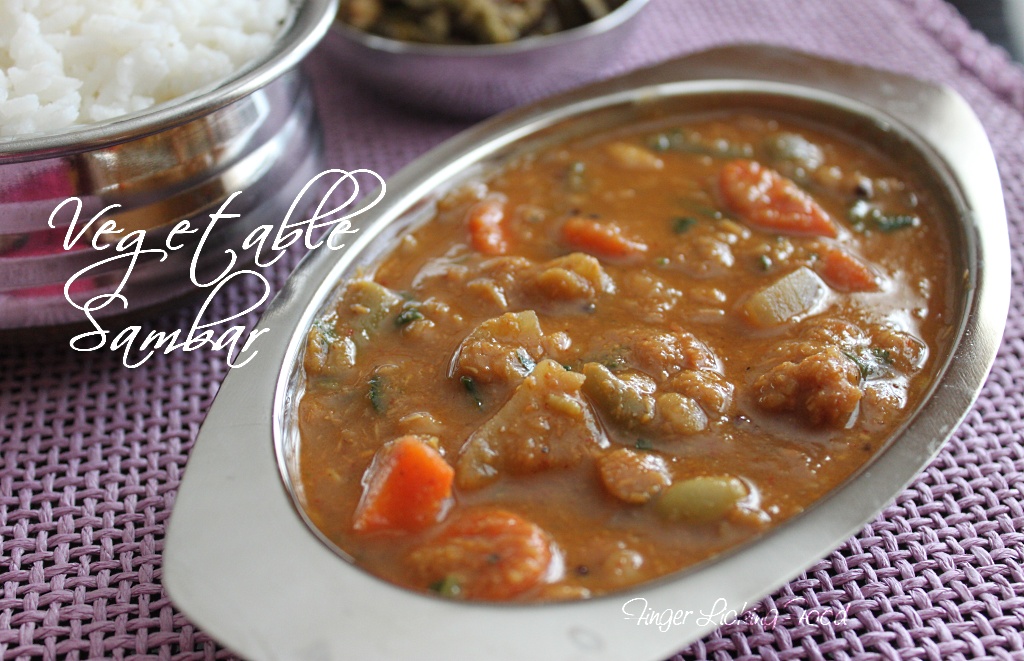
Nothing hits it home like a yummy and aromatic Vegetable Sambar which brings back a host of memories from India. The Sambar is a quintessential part of a South Indian meal. The way it’s made varies widely from household to household – what goes in the sambar as well as the spices used to make it. The most comforting and a family favourite is the Vegetable sambar.


You will need:

½ cup Tuar Dal
1 onion, cubed into pieces
2 carrots, sliced
1 small white Radish,sliced (Daikon variety in the US)
2 tomatoes, cubed
1 cup Green Beans, cut into 1-inch pieces
1 Chayote Squash, peeled and cubed*
½ cup Lima Beans, fresh or frozen (Valor Lilva)**

*White pumpkin can be used instead of Chayote squash
** In the US, I prefer to use frozen Lima beans which cuts cooking time. I buy it at my Indian grocers – Surti Lilva is the tender smaller lima beans; Valor Lilva is the larger lima beans preferable in this sambar since it holds shape better. 
***You can add all or one of the following - potatoes, peas, white or brown chickpeas (soaked). Avoid Cabbage, Cauliflower,Broccoli

To Roast:

2 tbsp Corriander seeds
2 tsp Cumin seeds
6-7 Whole black peppercorns
½ tsp Fenugreek seeds
2 tbsp Urad Dal
1 tbsp Chana Dal
8 Byadige Dry red chillies
6 Guntur Dry red chillies

Dry roast each of the ingredients above in a small pan, until light brown and fragrant. Cool and grind to a fine powder.

To Grind:

Prepared powder from above
1/2 cup fresh grated coconut
1 clove of Garlic
Water as required

Grind to a smooth paste with water as required.

Wash Tuar dal and drain. Add the prepped vegetables to the tuar dal, add water until everything is just submerged, about 2-2.5 cups of water. Add a pinch of turmeric and ½ tsp of oil. Pressure cook for 3 whistles in a pressure cooker. Let cooker cool before opening the lid.


Seasoning:

2 tsp Oil
1 tsp Mustard seeds
¼ tsp Asafetida (Hing)
Few curry leaves
1 tbsp Tamarind paste
1-1   ½ tbsp Powdered Jaggery
Salt to taste

In a wide pan, heat the oil. Add the mustard seeds, curry leaves and hing. When it begins to splutter, add the pressure cooked dal and vegetables. Add the tamarind paste, powdered jaggery, salt to taste and prepared ground paste. Stir well to combine and bring to a boil on medium heat. Simmer for 5 minutes. Turn off heat and then garnish with cilantro. Serve hot with white rice.

Chayote Squash Kooru (Sambar)

I'm back after what seemed like a never ending break from blogging. The past weeks have been crazy with guests at home, attending a wedding in Cleveland and then more guests. Every time I logged into my reader and looked at other blog posts I would feel guilty for being unable to update my blog. Well finally the jinx has broken and I am back!

Chayote Squash (Seemebadnekai) also known as Chow-Chow is a vegetable that belongs to the Gourd family. As a kid I detested this vegetable as much as I possibly could much to the dismay of my grandmother who insisted we eat a variety of vegetables and fruits. I soon grew to like it, and as far as I can remember, my granny was the one who used this veggie more often than my mom. So there was no escaping this veggie esp in summers when we were over at granny's.

I learned to cook with this vegetable after I got married and discovered that one of hubby's fav sambars was the one with Chayote Squash. This is my mother in law's recipe.

Chayote Squash Kooru

You will need:

1 Cup Chayote squash, skinned and cubed
½ Cup Tuar Dal
1 tomato chopped
4 Cloves of garlic chopped (vary to suit taste)
1 tsp Cumin seeds
4 Green chillies slit
2 tsp Ghee
¼ tsp Asafoetida
½ Cup fresh coconut
2 tsp Poppy seeds (Khuskhus)

Soak the poppy seeds in hot water for 2 hours. Grind to a fine paste along with the fresh coconut.

Pressure cook the tuar dal, cubed squash, garlic and tomatoes with sufficient water. To this add the ground coconut paste and bring to a boil.

In a small pan heat ghee. Add the cumin seeds and when it begins to splutter add the green chillies and asafoetida. Saute for a few seconds. Add to this boiling dal. Season with salt and serve hot with rice.

A weeknight meal in minutes!

RCI :KA again!! Bisibelebath, Idli Sambar and Masale Idli


Do I hear a “Oh no, how many entries?” hehe...I really can’t help submitting more and more entries to Asha’s RCI :Karnataka

Bisibelebath is the most common of dishes to the Karnataka cuisine. Made with Rice, Tuar Dal and a unique blend of spices, Bisibelebath is a mouth watering dish. The only key is to get the masala right, then on its easy sailing. Nothing beats home made Bisibelebath, not even the Ready-to-Eat packets. No entry to a Karnataka event is complete without Bisibelebath :-D

First we need to make the Bisibelebath powder…a key ingredient to making good Bisibelebath. Bisibelebath tastes different in different homes not because its made differently but because the powder used contains various combinations of spices.


Bisibelebath Powder

You will need:

1 cup Chana Dal
1 cup Urad Dal
2 cups Corriander seeds
1 cup Cumin seeds
1 ½ cups Dry red chillies (Byadagi)
½ cup Curry leaves
1 ¼ cup Grated dry coconut

¼ cup Salt
100 gms Tamarind

( Cup = standard cup measure)

Roast each ingredient separately with little oil till they are brown and are fragrant (Chana dal to Dry coconut) Cut Tamarind into small bits and heat in a pan on low flame. When it becomes soft, add this to the roasted ingredients and salt and grind to a fine powder. Store in a air tight container and use as required.

Go ahead and make the whole quantity, I have many more recipes that use Bisibelebath powder other than just Bisibelebath.

Bisibelebath

You will need: (Serves 6)

50 gms Green Beans (1” pcs)
2 medium Carrots (1” pcs)
2 large onions cubed
50 gms Peas (fresh/frozen)
2 Tomatoes cubed
100 gms. Peanuts
2 small pcs Jaggery (optional)
¼ tsp Garam Masala
3 tsps Bisibelebath powder (see recipe above)
¼ kg Rice
125 gms Tuar Dal
Water ( For every cup of Rice & Tuar dal : 4 cups of water)
100 ml Tamarind juice
Salt to taste
3-4 tbsps Ghee

For seasoning:

1 tsp Ghee
1 tsp Mustard seeds
1 tsp Chana dal
4 dry red chillies (broken into pcs. )
Few curry leaves


Wash the rice and Tuar dal. Add all veggies to this with measured quantity of water. Cook on high and when steam begins to rise, add weight and cook on low for 6-7 minutes. Let cool for a couple of minutes. Now add the Bisibelebath powder, tamarind juice, salt and the garam masala. Mix well and add 2-3 tbsps of Ghee, bring to a boil. Add more water if its too thick.

Heat ghee in a pan. Add the mustard seeds and when it begins to splutter add the chana dal, curry leaves and dry red chillies. Add this to the Bisibelebath, stir and serve hot with Curd raitha and Potato chips.

Curd Raitha

1 tomato chopped
½ cucumber chopped
1 onion chopped
6 green chillies chopped
Salt to taste
1 ½ cups thick curds/unflavoured yoghurt

Mix all of the above ingredients. Add little water to make raitha consistency. Chill and serve with hot Bisibelebath.


Idli & Sambar

This again is a traditional Karnataka dish. When I was a kid, every Sunday morning was mandatory Idli & Sambar. We ate it while watching Cartoons and later while parents watched “Mahabharat” both on Doordarshan. Boy, those were the good ol' days... Almost 2 decades later, Idli and Sambar is still a hot favourite back home.

Idlis

To make the batter:

2 portions Rice
2 portions Par boiled Rice (kusubalakki - also called Idli Rice)
½ portion Poha
1 ¾ portions Urad dal

Soak overnight the first three together and urad dal separately. Next day grind to a fine paste with as less water as possible. The finer the batter the better the idlis. Let ferment overnight. The batter should rise well when the temperature outside is hot, if it doesn’t rise then you can add ¼ tsp Cooking soda which helps in fermentation. Use as required and refrigerate remaining batter.

Pour batter into idli plates and place in pressure cooker. Close lid,cook on high and when steam rises, reduce heat and cook for 10 mins and then turn off heat. Let sit for a few minutes before opening the lid. With the help of a spoon, remove idlis and serve with Sambar.

Sambar

There are many ways to make Sambar for idlis. In most restaurants, they use the regular Sambar powder. My mom makes it using Bisibelebath powder, it tastes very different and goes great with Idlis.

You will need:

100 gms Tuar Dal
2 medium sized Potatoes cubed
2 Onions cubed
2 Tomatoes cubed
1 ½ tsps Bisibelebath powder (recipe above)
Few curry leaves
50 ml Tamarind juice
1 ½ litres Water
Chopped Corriander for Garnish
Salt to taste
Mustard seasoning ( Mustard seeds fried in oil with little hing)


Pressure cook Tuar dal with potatoes, onions and tomatoes. When steam begins to rise, place weight and cook on low for 10 mins. After its done, add Bisibelebath powder, salt, tamarind juice and curry leaves. Bring to a boil. Add the mustard seasoning . Garnish with chopped coriander and serve hot with Idlis.


When the idli batter turns sour plain idlis aren’t tasty…so my mom used to spice it up a bit and make Masale Idlis.

Masale Idli

Idli batter as required (recipe for batter above)
1 red onion chopped
1 Carrot grated
1 tsp Green chilli paste (Green chillies finely ground with little salt)
Chopped Corriander


For this dish the idli batter should be sour. Usually the batter becomes sour after several weeks (atleast here in the US..hehe..back home its sooner!)To make the batter sour place batter outside the refrigerator for couple of hours or overnight, that should do the trick.

Mix all the above ingredients and pour into idli plates. Place in a pressure cooker,close lid,cook on high and when steam rises, reduce heat and cook for 10 mins and then turn off heat. Serve with chutney.

Vegetable Sambar(Curry) with Rice

I was wondering which recipe to start with and really had to hold back putting all my recipes here at once…he he he :)

I finally decided to tell you about my mom’s delicious vegetable sambar (tharkaari huli) Easy to make and very fulfilling.

You will need

To Boil:

2 Carrots sliced
½ cup Green Beans cut into 1” pcs.
1 Onion cubed
1 handful (frozen or fresh) Lima Beans(Avarekai) or Peas
1 cup Chayote Squash cubed (Seemebadnekai)
1 cup Tuar Dal (Thogribele)
Turmeric a pinch
½ tsp. oil

(You can also use Potatoes, Tindora and any other vegetable you have on hand)


Roast:

1 tbsp Corriander seeds
½ tsp Jeera
1 tsp Bengal Gram (chana dal)
1 tsp Urad dal
2 to 3 Black pepper whole
¼ tsp Fenugreek seeds (methi seeds)
4-6 Dry red chillies
Add little hing in the end.


1 cup fresh grated coconut


Seasoning:

Tamarind pulp – ½ cup
Jaggery – ¼” pc (optional)
Curry leaves – a few
Mustard seasoning (Mustard fried in oil with little hing –aesofotida)
Chopped Corriander (Cilantro) for garnishing

Salt to taste


  1. Pressure cook vegetables with Tuar Dal, a pinch of turmeric and oil in a cooker.
  2. Roast each ingredient separately and then powder the mixture. Grind this with fresh coconut gratings and little water to make a smooth paste.
  3. Add this paste to the boiled vegetables along with tamarind pulp, jaggery, salt, curry leaves and mustard seasoning. Bring to a boil and let boil for 5 mins. Garnish with chopped coriander. Vegetable Sambar is now ready to eat with steamed white rice.


Hope you will try this recipe!

Blog Widget by LinkWithin